Essential Gadgets for Efficient Cooking: A 2026 Guide
In 2026, efficiency in the kitchen is more crucial than ever. This guide explores gadgets that can streamline your cooking routine, focusing on functionality and utility rather than promotion or brand endorsements. We aim to provide a comprehensive overview of how these tools can contribute to a more organized and effective culinary experience.
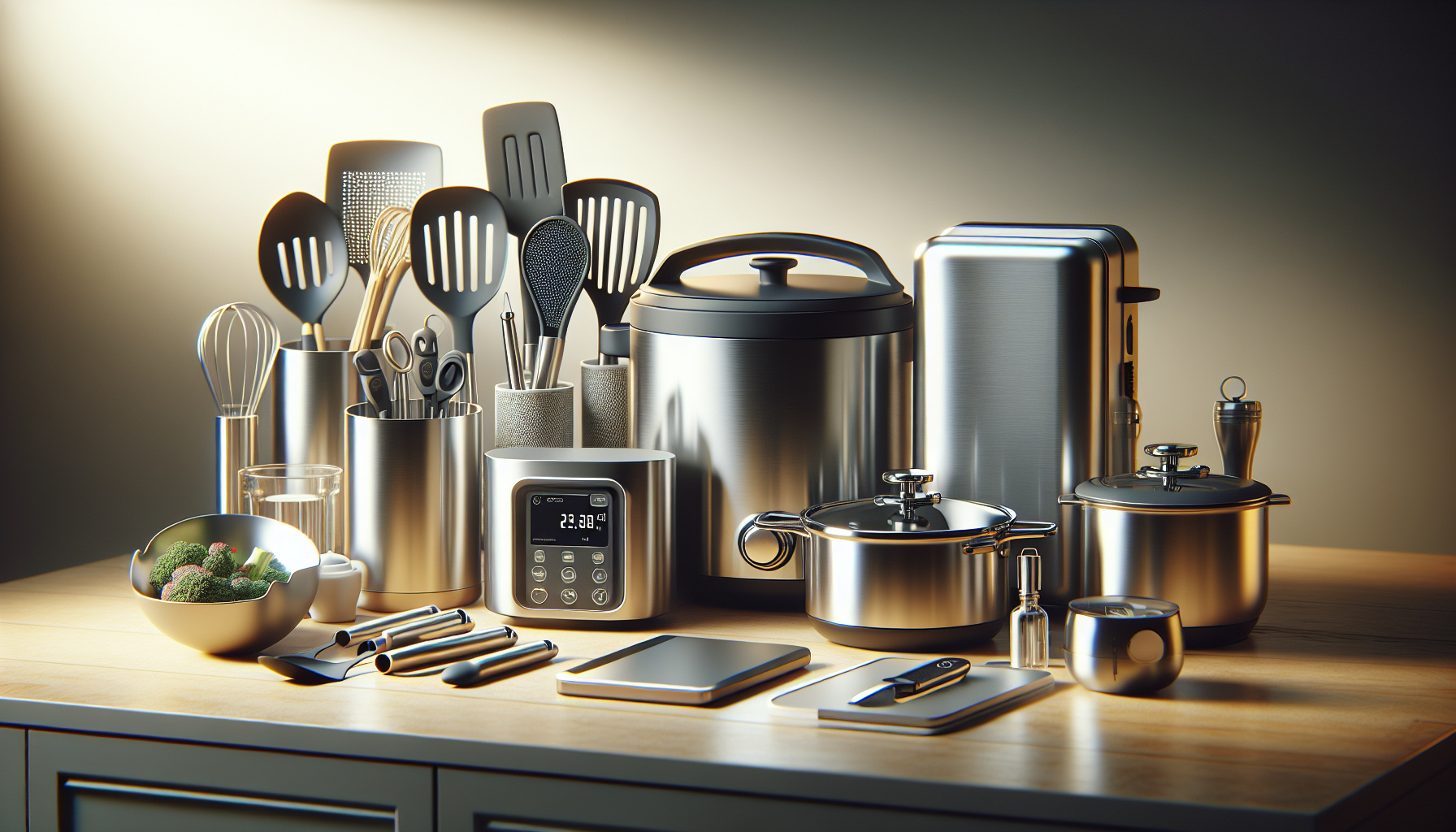
In 2026, with increasingly busy lifestyles, efficient cooking is no longer a luxury but a necessity. Modern kitchens benefit greatly from gadgets designed to save time and effort, allowing for healthier and more consistent meals. This guide explores a range of these essential tools, focusing on their functionality and the practical benefits they offer. The goal is to present a clear and unbiased view, helping individuals make informed decisions about incorporating these gadgets into their culinary routines. This guide will delve into the various aspects of kitchen gadgets, from their types and selection criteria to long-term maintenance and potential limitations. The information provided here is purely for educational purposes and aims to equip readers with a better understanding of how to optimize their cooking process.
Practical Guidance: Selecting the Right Kitchen Gadgets
Choosing the right kitchen gadgets requires a thoughtful evaluation of your individual cooking needs and habits. A tool that proves invaluable for one person might be entirely unnecessary for another. Before investing in any gadget, consider the following factors:
- Frequency of Use: How often will you actually use this gadget? If it's only for occasional tasks, a simpler, manual alternative might be more practical.
- Storage Space: Kitchen space is often limited. Consider the size and storage requirements of the gadget before purchasing.
- Ease of Cleaning: Complex gadgets with intricate parts can be difficult to clean. Prioritize those that are easy to disassemble and dishwasher-safe, if applicable.
- Durability: Look for gadgets made from high-quality materials that are built to last. Reading user reviews (on non-commercial sites) can provide insights into the longevity of specific models.
- Multifunctionality: Some gadgets offer multiple functions, potentially replacing several single-purpose tools. Evaluate whether these multifunction tools truly perform all tasks effectively.
Types of Essential Kitchen Gadgets
The following categories represent some of the most useful types of kitchen gadgets for enhancing cooking efficiency:
- Food Processors: These versatile machines can chop, slice, shred, and puree ingredients quickly and efficiently. They are particularly useful for preparing large quantities of vegetables or making sauces and dips. Consider the size of the food processor bowl based on your typical cooking needs.
- Immersion Blenders: Also known as stick blenders, these handheld devices are ideal for blending soups, sauces, and smoothies directly in pots or containers. They are compact and easy to clean, making them a convenient alternative to traditional blenders for smaller tasks.
- Digital Kitchen Scales: Accurate measurements are crucial for consistent cooking results, especially in baking. Digital scales provide precise measurements in grams or ounces, eliminating the guesswork associated with measuring cups and spoons.
- Instant-Read Thermometers: Ensuring that food is cooked to a safe internal temperature is essential for food safety. Instant-read thermometers provide quick and accurate temperature readings, helping to prevent undercooking or overcooking.
- Mandoline Slicers: These tools allow for uniform slicing of fruits and vegetables, saving time and effort compared to manual slicing. They are particularly useful for preparing salads, gratins, and other dishes that require consistent slice thickness. Exercise caution when using mandoline slicers, as the blades are very sharp.
- Slow Cookers: Slow cookers are ideal for preparing meals that require long cooking times, such as stews, soups, and braised meats. They allow you to set the cooking time and temperature, and then leave the food to cook unattended.
- Air Fryers: Air fryers use hot air circulation to cook food with little or no oil, offering a healthier alternative to deep frying. They are versatile and can be used to cook a variety of foods, including fries, chicken, and vegetables.
- Rice Cookers: For those who frequently cook rice, a rice cooker can be a convenient and reliable tool. It ensures perfectly cooked rice every time, without the need for constant monitoring.
Comparing Gadget Categories: Performance and Utility
Let's compare some of these gadget categories in more detail to understand their strengths and weaknesses:
- Food Processors vs. Immersion Blenders: Food processors excel at chopping and slicing large quantities of ingredients, while immersion blenders are better suited for blending liquids directly in pots. A food processor is a better choice for tasks like making pesto or shredding cheese, while an immersion blender is ideal for pureeing soup.
- Digital Kitchen Scales vs. Measuring Cups: Digital scales offer greater accuracy than measuring cups, especially for dry ingredients like flour. Using a scale can significantly improve the consistency of baked goods.
- Slow Cookers vs. Pressure Cookers: Slow cookers require long cooking times but offer a hands-off approach. Pressure cookers cook food much faster but require more careful monitoring. The choice depends on your available time and desired level of involvement in the cooking process.
- Air Fryers vs. Conventional Ovens: Air fryers cook food faster and with less oil than conventional ovens, but they have a smaller capacity. An air fryer is a good choice for cooking smaller portions of food quickly, while an oven is better for larger batches.
Long-Term Considerations: Maintenance, Responsibilities, and Limitations
Owning kitchen gadgets comes with responsibilities beyond the initial purchase. Proper maintenance, understanding limitations, and addressing potential risks are crucial for ensuring their longevity and safe usage.
Maintenance and Care
Regular maintenance is essential for extending the lifespan of your kitchen gadgets. Here are some general guidelines:
- Cleaning: Clean gadgets thoroughly after each use. Disassemble them as much as possible to reach all crevices. Consult the manufacturer's instructions for specific cleaning recommendations.
- Storage: Store gadgets in a dry and clean place. Protect them from dust and moisture. Store accessories and attachments in a designated area to prevent loss or damage.
- Blade Care: Keep blades sharp and well-maintained. Dull blades can be dangerous and less effective. Consider using a sharpening stone or professional sharpening service for knives and mandoline slicers.
- Cord Management: Avoid wrapping cords too tightly around gadgets, as this can damage the cord over time. Use cord organizers or Velcro straps to keep cords tidy and prevent tangling.
- Regular Inspection: Periodically inspect gadgets for signs of wear and tear, such as cracks, frayed cords, or loose parts. Repair or replace damaged gadgets promptly to prevent accidents.
Responsibilities and Safe Usage
Safe usage is paramount when operating kitchen gadgets. Here are some safety precautions to follow:
- Read the Manual: Always read the manufacturer's instructions before using a new gadget. Pay attention to safety warnings and operating guidelines.
- Proper Assembly: Ensure that gadgets are properly assembled before use. Incorrect assembly can lead to malfunctions and injuries.
- Supervision: Supervise children when they are using kitchen gadgets. Store gadgets out of reach of children when not in use.
- Electrical Safety: Keep electrical gadgets away from water and moisture. Never use a gadget with a damaged cord or plug.
- Cutting Tools: Exercise caution when using sharp cutting tools like knives and mandoline slicers. Use safety guards and cut-resistant gloves to protect your hands.
- Hot Surfaces: Be careful when handling hot surfaces, such as those on slow cookers, air fryers, and ovens. Use oven mitts or pot holders to protect your hands.
- Unplugging: Always unplug gadgets before cleaning or performing maintenance.
Limitations and Potential Risks
It's important to acknowledge the limitations and potential risks associated with kitchen gadgets:
- Over-Reliance: Don't become overly reliant on gadgets. It's still essential to develop basic cooking skills and understand fundamental cooking techniques.
- Maintenance Costs: Some gadgets may require periodic maintenance or repairs, which can add to the overall cost of ownership.
- Storage Space: As mentioned earlier, storing numerous gadgets can be a challenge, especially in small kitchens.
- Complexity: Complex gadgets can be difficult to learn and use effectively. Choose gadgets that are intuitive and easy to operate.
- Obsolescence: Technology is constantly evolving, and kitchen gadgets can become obsolete over time. Be prepared to replace gadgets as they become outdated or worn out.
- Potential Hazards: Gadgets with sharp blades, hot surfaces, or electrical components pose potential hazards if not used properly. Always follow safety precautions and use common sense.
Gadget Data Table
The following table provides a comparative overview of some popular kitchen gadgets, focusing on their key features and functionalities.
| Gadget Type | Key Features | Typical Uses | Pros | Cons |
|---|---|---|---|---|
| Food Processor | Chopping, slicing, shredding, pureeing; various blade attachments | Preparing vegetables, making sauces, grinding nuts | Versatile, saves time, consistent results | Can be bulky, complex to clean, potential for over-processing |
| Immersion Blender | Blending liquids directly in pots; compact design | Making soups, sauces, smoothies | Convenient, easy to clean, space-saving | Less powerful than a food processor, limited functionality |
| Digital Kitchen Scale | Precise measurement in grams or ounces | Baking, portioning ingredients | Accurate, improves consistency, easy to use | Requires batteries, can be sensitive to overloading |
| Instant-Read Thermometer | Quick and accurate temperature readings | Ensuring food safety, preventing overcooking | Fast, reliable, easy to use | Requires calibration, can be damaged by high heat |
| Mandoline Slicer | Uniform slicing of fruits and vegetables | Preparing salads, gratins, chips | Saves time, consistent slices, professional-looking results | Very sharp blades, requires caution, can be difficult to clean |
| Slow Cooker | Low-temperature cooking over long periods | Making stews, soups, braised meats | Convenient, hands-off, tenderizes tough cuts of meat | Long cooking times, limited browning, can overcook food |
| Air Fryer | Hot air circulation for oil-free frying | Cooking fries, chicken, vegetables | Healthier than deep frying, fast cooking, easy to clean | Smaller capacity, can dry out food, requires some experimentation |
| Rice Cooker | Automatic cooking of rice | Cooking rice, steaming vegetables | Convenient, consistent results, keeps rice warm | Limited functionality, takes up counter space |
Internal Linking
For further information on food safety guidelines, refer to resources from the [Food Safety Wikipedia page]. Understanding proper sanitation practices is crucial when working with any kitchen gadget. You can learn more about kitchen hygiene from the [Kitchen Hygiene Wikipedia page]. For information on the nutritional content of different foods, explore the [Nutrition Wikipedia page]. To understand the science behind cooking, see the [Cooking Wikipedia page].
Frequently Asked Questions (FAQ)
- Q: How do I choose the right food processor size?
A: Consider the amount of food you typically prepare. A smaller food processor (3-5 cup capacity) is suitable for individuals or small families, while a larger food processor (7-14 cup capacity) is better for larger families or frequent entertaining. - Q: How do I clean an immersion blender properly?
A: Most immersion blenders have a detachable blending arm that can be washed in the dishwasher. For the motor housing, wipe it down with a damp cloth. Avoid immersing the motor housing in water. - Q: Are air fryers actually healthier than deep fryers?
A: Yes, air fryers are generally considered healthier than deep fryers because they use little to no oil. This reduces the fat and calorie content of food. - Q: How often should I calibrate my instant-read thermometer?
A: Calibrate your instant-read thermometer regularly, especially if you notice inaccurate readings. The frequency depends on usage, but calibrating it every few months is a good practice. Follow the manufacturer's instructions for calibration procedures. - Q: What are some common mistakes to avoid when using a slow cooker?
A: Avoid lifting the lid frequently during cooking, as this releases heat and extends cooking time. Also, avoid overfilling the slow cooker, as this can cause spills. Lastly, avoid adding dairy products or delicate ingredients too early, as they can curdle or break down.
Disclaimer: This content is provided for informational purposes only and does not constitute professional advice. Always consult with a qualified expert for specific guidance related to your individual needs and circumstances.
Sources
- [Food Safety and Inspection Service (FSIS)] – U.S. Department of Agriculture resource for food safety information.
- [U.S. Food and Drug Administration (FDA)] – Government agency responsible for regulating food and drug safety.
- [Natural Resources Defense Council (NRDC)] – Environmental advocacy organization providing information on sustainable food practices.
This guide has explored essential kitchen gadgets for efficient cooking in 2026, emphasizing functionality and practicality. Key takeaways include understanding different gadget types, evaluating individual needs, maintaining gadgets properly, and prioritizing safe usage. By considering long-term maintenance, potential risks, and the information provided, individuals can make informed choices to optimize their culinary routines.