Creating a Soothing Lighting Atmosphere in Your Bedroom: A 2026 Guide
Creating a serene bedroom environment is crucial for relaxation and quality sleep. One of the most influential factors is lighting. This guide explores how to design a soothing lighting atmosphere in your bedroom, focusing on principles and techniques relevant in 2026.
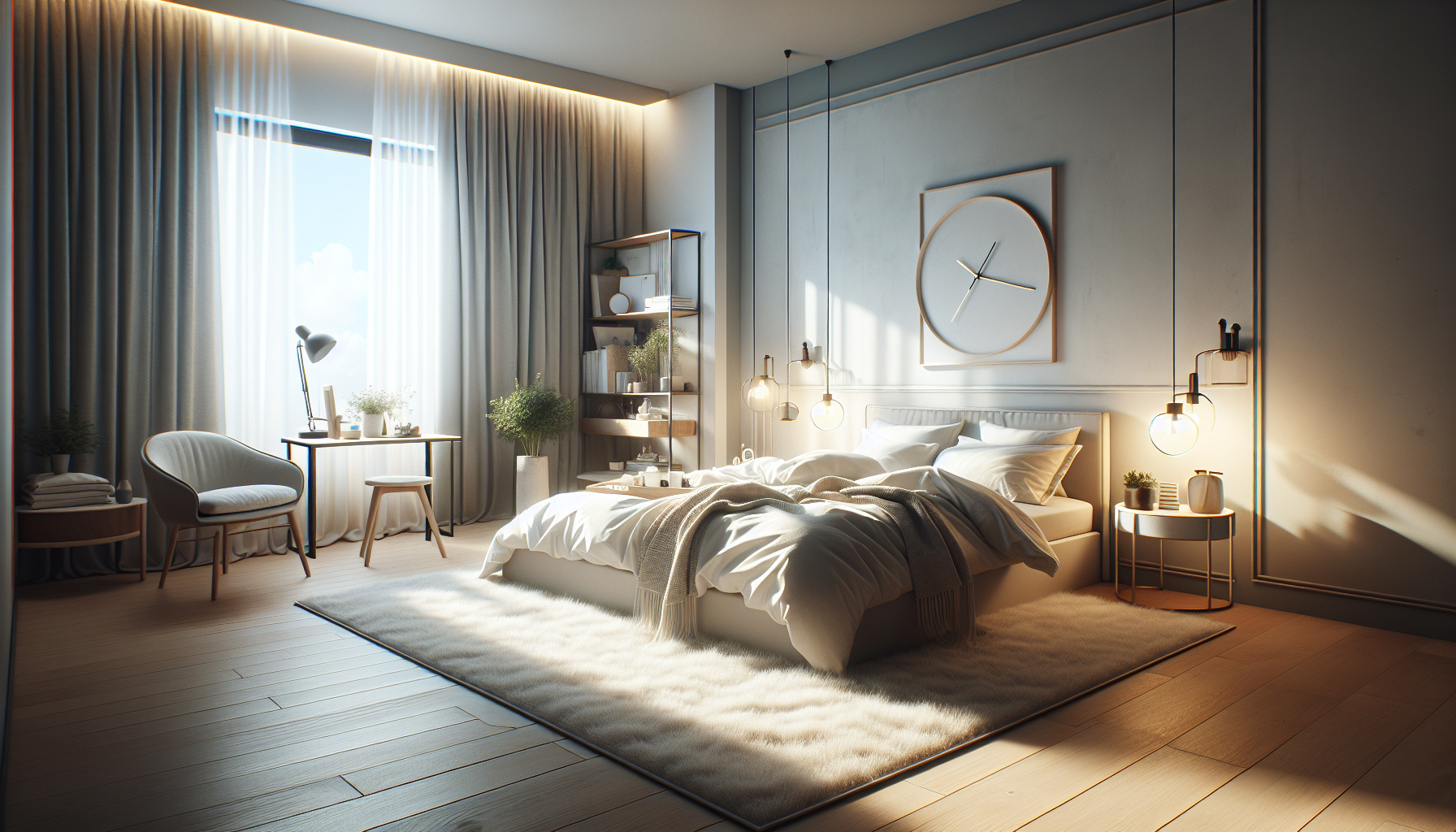
Creating a serene bedroom environment is crucial for relaxation and quality sleep. One of the most influential factors is lighting. This guide explores how to design a soothing lighting atmosphere in your bedroom, focusing on principles and techniques relevant in 2026.
Understanding the Importance of Bedroom Lighting
The bedroom is more than just a place to sleep; it's a sanctuary for rest, rejuvenation, and personal reflection. The quality of light within this space directly impacts our circadian rhythm, mood, and overall well-being. Harsh, bright lighting can stimulate alertness, while soft, warm lighting promotes relaxation and sleepiness. Understanding these effects is the first step toward creating a truly soothing bedroom.
In 2026, advancements in lighting technology offer unprecedented control and customization. Smart lighting systems, tunable LEDs, and circadian-friendly options are increasingly accessible, allowing for precise adjustments to color temperature, intensity, and even timed schedules that mimic natural light patterns. This guide aims to provide a framework for leveraging these advancements to design an optimal lighting environment.
Practical Guidance: Designing Your Soothing Lighting Scheme
Creating a soothing lighting atmosphere in your bedroom involves several key considerations. It's not simply about dimming the lights; it's about carefully selecting light sources, controlling their intensity, and positioning them strategically to create a balanced and harmonious environment. This section will walk you through the essential steps to achieve this.
1. Layering Light Sources
The most effective bedroom lighting schemes employ a layered approach, combining different types of light sources to meet various needs and create depth and dimension. These layers typically include:
- Ambient Lighting: This provides overall illumination to the room and sets the general mood. Examples include ceiling fixtures, recessed lighting, and wall sconces that cast a broad, diffused light.
- Task Lighting: This is focused light designed for specific activities, such as reading in bed or getting dressed at a vanity. Examples include bedside lamps, desk lamps, and adjustable spotlights.
- Accent Lighting: This highlights architectural features, artwork, or decorative objects, adding visual interest and depth to the room. Examples include picture lights, spotlights, and strip lighting.
By combining these three layers, you can create a lighting scheme that is both functional and aesthetically pleasing. For a soothing atmosphere, prioritize soft, diffused ambient lighting and adjustable task lighting. Accent lighting can be used sparingly to add subtle visual interest without overwhelming the space.
2. Choosing the Right Light Bulbs
The type of light bulb you choose has a significant impact on the overall mood of your bedroom. In 2026, LEDs (Light Emitting Diodes) are the dominant technology due to their energy efficiency, longevity, and versatility. However, not all LEDs are created equal. Consider the following factors:
- Color Temperature: Measured in Kelvin (K), color temperature indicates the warmth or coolness of the light. For a soothing bedroom atmosphere, opt for warm white or soft white bulbs with a color temperature between 2700K and 3000K. These bulbs emit a warm, yellowish light that promotes relaxation. Avoid cool white or daylight bulbs (4000K and above), which can be too stimulating for the bedroom.
- Brightness (Lumen Output): Lumens measure the total amount of light emitted by a bulb. The appropriate lumen output for your bedroom will depend on the size of the room and the number of light sources. As a general guideline, aim for around 2000-4000 lumens for the entire room, distributed among various light sources.
- Dimmability: Choose dimmable light bulbs and install dimmer switches to allow for precise control over the intensity of the light. This is particularly important for creating a soothing atmosphere, as you can gradually dim the lights as you prepare for sleep.
- Tunable LEDs: These advanced LEDs allow you to adjust the color temperature of the light, mimicking the natural progression of sunlight throughout the day. In the morning, you can use a cooler, more energizing light, while in the evening, you can switch to a warmer, more relaxing light.
Experiment with different types of light bulbs to find the ones that best suit your preferences and create the desired mood in your bedroom.
3. Strategic Placement of Light Fixtures
The placement of light fixtures is just as important as the type of light bulb you choose. Consider the following tips for strategic placement:
- Bedside Lamps: Place bedside lamps on either side of the bed for convenient reading light. Choose lamps with adjustable arms or shades to direct the light where you need it.
- Wall Sconces: Wall sconces can provide soft, ambient lighting and save valuable space on bedside tables. Install them at a height that is comfortable for reading in bed.
- Ceiling Fixtures: If you have a ceiling fixture, choose one that emits a soft, diffused light. Avoid harsh, direct downlights, which can create glare and shadows. Consider a fixture with a dimmer switch.
- Under-Cabinet Lighting: If you have a closet or built-in storage in your bedroom, consider installing under-cabinet lighting to provide task lighting for dressing and organizing.
- Floor Lamps: Floor lamps can add height and visual interest to the room while providing ambient or task lighting. Place them in corners or near seating areas to create a cozy atmosphere.
Avoid placing light fixtures directly in your line of sight, as this can create glare and discomfort. Instead, aim for indirect lighting that bounces off walls and ceilings to create a softer, more diffused effect.
4. Utilizing Natural Light
Natural light is essential for maintaining a healthy circadian rhythm and boosting your mood. Maximize natural light in your bedroom by keeping windows clean and unobstructed. Use sheer curtains or blinds to filter harsh sunlight and create a softer, more diffused effect. Consider adding a mirror to reflect natural light and brighten up the room.
However, it's also important to be able to block out natural light when you want to sleep. Invest in blackout curtains or blinds to create a dark and restful environment. This is particularly important if you live in an area with high levels of light pollution or if you work night shifts.
5. Incorporating Smart Lighting Systems
In 2026, smart lighting systems offer unprecedented control and customization over your bedroom lighting. These systems allow you to control your lights remotely using your smartphone or voice commands, and to create custom lighting scenes that match your mood and activities. Some smart lighting systems even integrate with sleep trackers and other health devices to automatically adjust the lighting based on your sleep patterns.
Consider the following features when choosing a smart lighting system:
- Color Temperature Control: The ability to adjust the color temperature of your lights is essential for creating a soothing atmosphere.
- Dimming Control: Precise dimming control allows you to fine-tune the intensity of the light to your exact preferences.
- Scheduling: Set up automatic lighting schedules to mimic natural light patterns and gradually dim the lights as you prepare for sleep.
- Integration with Other Smart Home Devices: Choose a system that integrates with other smart home devices, such as your thermostat and sound system, to create a seamless and automated experience.
Long-Term Considerations for Bedroom Lighting
Creating a soothing lighting atmosphere in your bedroom is not a one-time project; it requires ongoing maintenance and adjustments to ensure that the lighting continues to meet your needs and promote relaxation. This section will discuss some long-term considerations for your bedroom lighting scheme.
1. Bulb Replacement and Maintenance
LED light bulbs are known for their long lifespan, but they will eventually need to be replaced. Keep track of the age of your bulbs and replace them as needed to maintain optimal brightness and color temperature. Dust light fixtures regularly to prevent buildup and ensure that the light is not dimmed or distorted.
2. Regular Cleaning of Light Fixtures
Dust and grime can accumulate on light fixtures over time, reducing their brightness and affecting the quality of light. Clean your light fixtures regularly with a soft cloth or brush. For more stubborn stains, use a mild detergent and water. Be sure to turn off the power before cleaning any electrical fixture.
3. Adjusting Lighting Based on Seasonal Changes
The amount of natural light available in your bedroom will vary depending on the season. In the winter, when days are shorter and darker, you may need to supplement natural light with artificial light to maintain a bright and cheerful atmosphere. In the summer, when days are longer and brighter, you may need to use blackout curtains or blinds to block out excess light and create a dark and restful environment for sleeping.
4. Monitoring Energy Consumption
While LEDs are energy-efficient, it's still important to monitor your energy consumption and take steps to reduce your carbon footprint. Use dimmer switches to reduce the brightness of your lights when you don't need full illumination. Turn off lights when you leave the room. Consider installing a smart meter to track your energy usage and identify areas where you can save energy.
5. Addressing Potential Safety Hazards
Improperly installed or maintained lighting fixtures can pose safety hazards, such as electrical shocks or fires. Ensure that all lighting fixtures are properly installed and wired by a qualified electrician. Inspect cords and plugs regularly for damage and replace them if necessary. Avoid overloading electrical outlets. Use surge protectors to protect your lighting fixtures from power surges.
6. Adapting to Changing Needs and Preferences
Your lighting needs and preferences may change over time. As you age, you may require brighter light for reading and other activities. If you change the layout or décor of your bedroom, you may need to adjust your lighting scheme to complement the new design. Be open to experimenting with different lighting options and making adjustments as needed to ensure that your bedroom lighting continues to meet your needs and promote relaxation.
Table: Comparison of Light Bulb Types for Bedrooms (2026)
| Bulb Type | Color Temperature Range (K) | Lifespan (Hours) | Energy Efficiency | Dimmability | Best Use in Bedroom |
|---|---|---|---|---|---|
| LED | 2200-6500 | 25,000-50,000 | High | Yes (most models) | Ambient, task, and accent lighting; tunable options ideal |
| Halogen | 2700-3000 | 1,000-3,000 | Moderate | Yes | Task lighting (bedside lamps) – less energy-efficient choice |
| Incandescent | 2700-3000 | 750-1,000 | Low | Yes | (Largely outdated) - Use discouraged due to low efficiency |
| Smart Bulbs (LED) | 2000-6500+ | 15,000-25,000 | High | Yes, and App controlled | Full control; ideal for timed schedules & custom scenes |
Internal Linking
* Learn more about [circadian rhythm](https://en.wikipedia.org/wiki/Circadian_rhythm) and its effect on sleep. * Read about [light pollution](https://en.wikipedia.org/wiki/Light_pollution) and how to mitigate its effects. * Explore the science of [color psychology](https://en.wikipedia.org/wiki/Color_psychology) and how it relates to interior design. * Understand more about [LED Lighting](https://en.wikipedia.org/wiki/LED_lamp) via Wikipedia.Frequently Asked Questions (FAQ)
- What color temperature is best for bedroom lighting?
Warm white or soft white light bulbs with a color temperature between 2700K and 3000K are generally recommended for bedroom lighting, as they promote relaxation and sleepiness.
- How many lumens do I need for my bedroom lighting?
As a general guideline, aim for around 2000-4000 lumens for the entire room, distributed among various light sources. Adjust based on room size and personal preferences.
- Should I use dimmable light bulbs in my bedroom?
Yes, dimmable light bulbs and dimmer switches are highly recommended, as they allow you to precisely control the intensity of the light and create a soothing atmosphere.
- Are smart lighting systems worth the investment for bedroom lighting?
Smart lighting systems offer advanced features such as color temperature control, dimming control, and scheduling, which can enhance your sleep quality and overall well-being. They can be a worthwhile investment if you are looking for maximum control and customization.
- How can I block out unwanted light in my bedroom?
Blackout curtains or blinds are the most effective ways to block out unwanted light in your bedroom. You can also use eye masks or sleep shades to further minimize light exposure.
Disclaimer
This content is provided for informational purposes only and does not constitute professional advice. Consult with a qualified electrician or interior designer for personalized recommendations.
Sources
- "Lighting Research Center." *Rensselaer Polytechnic Institute*, [https://www.lrc.rpi.edu/](https://www.lrc.rpi.edu/)
- "National Sleep Foundation." *SleepFoundation.org*, [https://www.sleepfoundation.org/](https://www.sleepfoundation.org/)
- "U.S. Department of Energy." *Energy.gov*, [https://www.energy.gov/](https://www.energy.gov/)
Creating a soothing lighting atmosphere in the bedroom is essential for promoting relaxation and improving sleep quality. By layering light sources, choosing the right light bulbs, strategically placing light fixtures, utilizing natural light, and incorporating smart lighting systems, you can design a bedroom environment that is both functional and aesthetically pleasing. Remember to consider long-term maintenance, safety, and your evolving needs to ensure that your lighting scheme continues to meet your expectations.