A Comprehensive Guide to Versatile Cooking Utensils for Every Kitchen Task
In the culinary landscape of 2026, the right cooking utensils are more critical than ever, not just for meal preparation but also for optimizing kitchen efficiency and promoting sustainable cooking practices. This guide delves into the essential cooking utensils, providing in-depth information to help you select, use, and maintain them effectively, ensuring a seamless and enjoyable cooking experience.
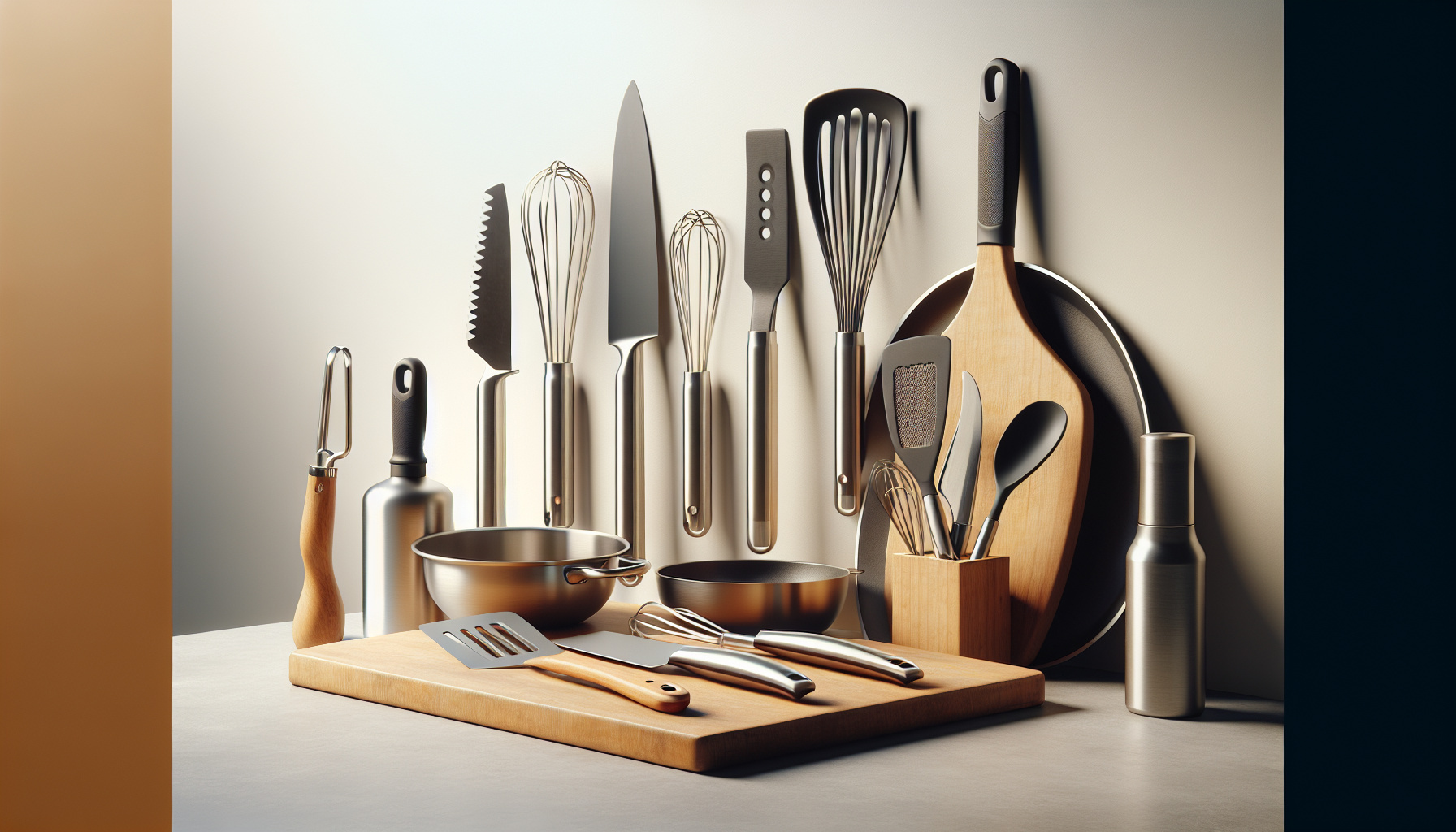
The modern kitchen, whether a compact urban space or a sprawling culinary haven, necessitates a well-curated collection of cooking utensils. These tools are the extensions of the cook, transforming raw ingredients into delicious and nourishing meals. Understanding the diverse functions and selecting the appropriate utensils for various tasks is crucial for both novice and experienced cooks. This guide will explore the essential utensils, their uses, and important considerations for long-term ownership.
Practical Guidance: Understanding and Selecting Cooking Utensils
The array of cooking utensils available can be overwhelming. Categorizing them by their primary function simplifies the selection process. Utensils can generally be classified into preparation, cooking, serving, and specialized tools. Within each category, various materials and designs further enhance their capabilities. Let's explore each category in detail.
Preparation Utensils
Preparation utensils are the foundation of any cooking process, used for tasks such as chopping, mixing, measuring, and more. Key preparation utensils include:
- Knives: A chef's knife, paring knife, serrated knife, and utility knife are fundamental. Consider the blade material (stainless steel, carbon steel, ceramic) and handle ergonomics. Stainless steel offers durability and ease of maintenance, while carbon steel provides exceptional sharpness but requires more care to prevent rust. Ceramic knives are lightweight and do not react with food but are more prone to chipping.
- Cutting Boards: These protect countertops and provide a stable surface for chopping. Wood, bamboo, and plastic are common materials. Wood and bamboo are often considered more aesthetically pleasing, but require more diligent cleaning and maintenance. Plastic cutting boards are easier to sanitize and are often dishwasher-safe.
- Mixing Bowls: Essential for combining ingredients. Choose bowls of varying sizes and materials like glass, stainless steel, or plastic. Glass bowls are great for microwaving, while stainless steel is durable and less prone to retaining odors.
- Measuring Cups and Spoons: Accurate measurement is vital for successful recipes. Stainless steel and plastic are common materials; the former offers durability.
- Graters and Zesters: For fine and coarse grating of ingredients. Stainless steel graters are generally preferred for their durability.
- Peelers: For removing the outer skin of fruits and vegetables. Y-peelers and swivel peelers offer different handling styles.
- Whisks: Used for blending ingredients, incorporating air, and creating smooth textures. Balloon whisks are versatile for many tasks, while flat whisks are better suited for sauces.
Cooking Utensils
Cooking utensils are used during the actual cooking process, whether on the stovetop, in the oven, or on a grill. Key cooking utensils include:
- Spatulas: Used for flipping and turning food. Silicone and wooden spatulas are the most common types. Silicone is heat-resistant and non-reactive, making it ideal for use with non-stick cookware. Wooden spatulas are less likely to scratch surfaces but can absorb odors and are less heat-resistant.
- Ladle: For serving soups, stews, and other liquids. Stainless steel ladles are durable and easy to clean.
- Slotted Spoons: For removing food from liquids while leaving the liquid behind.
- Tongs: Essential for gripping, turning, and serving food. Stainless steel tongs with silicone tips are versatile.
- Wooden Spoons: For stirring sauces and stews. They are gentle on cookware surfaces but can absorb odors.
- Cooking Thermometers: For ensuring food is cooked to a safe internal temperature. Digital thermometers offer fast and accurate readings.
- Skimmers: Used for removing foam or solids from liquids.
Serving Utensils
Serving utensils are used to present food at the table. Choosing utensils that complement the style and type of dishes served is important. Key serving utensils include:
- Serving Spoons: Available in various sizes and styles, for serving side dishes, vegetables, and more.
- Serving Forks: For serving meats, salads, and pasta.
- Cake Servers: Designed for cutting and serving cakes and pastries.
- Salad Servers: Typically a pair of spoons or forks used for serving salads.
Specialized Utensils
Specialized utensils are designed for specific cooking tasks or cuisines. While not essential, they can enhance cooking efficiency and results. Examples include:
- Pizza Cutter: For slicing pizza.
- Pasta Server: For serving pasta dishes.
- Meat Tenderizer: For tenderizing meats.
- Mortar and Pestle: For grinding herbs and spices.
- Mandoline Slicer: For producing uniformly sliced vegetables.
- Omelette Pan: For cooking omelettes.
Materials and Considerations
The material of a cooking utensil greatly affects its performance, durability, and safety. Each material has its advantages and disadvantages. Here's a comparative overview:
- Stainless Steel: Durable, rust-resistant, and relatively easy to clean. Often the best choice for spatulas, ladles, and serving utensils.
- Silicone: Heat-resistant, non-reactive, and flexible. Ideal for spatulas and other tools used with non-stick cookware.
- Wood: Gentle on cookware, but can absorb odors and require more maintenance. Good for spoons and spatulas.
- Plastic: Lightweight and inexpensive. May melt or warp at high temperatures, but some are heat-resistant.
- Nylon: Heat-resistant and less likely to scratch surfaces. Suitable for use with non-stick cookware.
- Glass: Microwave-safe and non-reactive, but can be fragile. Excellent for mixing bowls.
- Carbon Steel: Extremely sharp knives, but require careful maintenance to prevent rusting.
- Ceramic: Lightweight knives, but prone to chipping.
When selecting utensils, consider the following:
- Heat Resistance: Ensure that the utensil is suitable for the cooking methods you regularly use.
- Non-Reactivity: The material should not react with food, especially acidic ingredients.
- Durability: Choose utensils that can withstand frequent use and cleaning.
- Ergonomics: Comfortable handles that provide a good grip are essential, especially during extended cooking sessions.
- Ease of Cleaning: Opt for utensils that are dishwasher-safe or easy to clean by hand.
- Storage: Consider how you will store your utensils – a utensil holder, drawer dividers, or hanging racks.
Long-Term Considerations: Maintenance, Care, and Longevity
Proper care and maintenance significantly extend the lifespan of your cooking utensils and ensure their optimal performance. This section outlines key practices to keep your tools in excellent condition.
Cleaning and Sanitization
Cleaning methods vary depending on the material. Always refer to the manufacturer’s instructions. General guidelines include:
- Stainless Steel: Dishwasher-safe in most cases, but hand washing is recommended to preserve their finish. Use non-abrasive cleaners to prevent scratching.
- Silicone: Dishwasher-safe, but can sometimes retain odors. Hand washing with hot, soapy water generally works best.
- Wood: Hand wash only. Avoid soaking. Dry thoroughly immediately after washing. Season wooden utensils with food-grade mineral oil periodically.
- Plastic and Nylon: Usually dishwasher-safe, but check manufacturer instructions. Avoid placing them near high heat sources.
- Knives: Hand wash immediately after use to prevent corrosion. Dry thoroughly. Never put them in the dishwasher.
Storage Practices
Proper storage is crucial for maintaining the condition of cooking utensils and ensuring kitchen safety.
- Knives: Store knives in a knife block, on a magnetic strip, or in a drawer with blade guards to protect the blades and prevent accidents.
- Other Utensils: Store utensils in a utensil holder, drawer dividers, or hanging racks, depending on available kitchen space. Separate clean and dirty utensils.
Inspecting and Replacing Utensils
Regularly inspect your utensils for signs of wear and tear, and replace them when necessary.
- Wooden Utensils: Replace if they show deep cracks, splits, or significant staining.
- Spatulas and Tongs: Replace silicone tips or other parts if they become damaged or discolored.
- Knives: Sharpen knives regularly to maintain their effectiveness. Replace them if the blades become too worn or damaged.
- Plastic Utensils: Replace them if they melt, warp, or become discolored.
Specific Considerations for Different Utensil Types
- Knives: Sharpening is essential for maintaining blade sharpness. Use a honing steel regularly and sharpen knives with a whetstone as needed.
- Non-Stick Cookware Utensils: Use only silicone or wooden utensils on non-stick surfaces to prevent scratching.
- Wooden Spoons: Season wooden spoons with food-grade mineral oil to prevent them from drying out and cracking.
Potential Risks and Limitations
Using cooking utensils also presents certain risks and limitations. Being aware of these can help prevent injuries and extend the lifespan of your tools.
- Sharp Objects: Knives, mandolines, and graters pose a risk of cuts. Always handle them with care. Consider wearing cut-resistant gloves.
- Burns: Hot surfaces and utensils can cause burns. Use oven mitts or heat-resistant gloves when handling hot cookware.
- Material Degradation: Over time, some utensils may degrade due to heat, wear, and tear. Replace them if necessary.
- Cross-Contamination: Use separate cutting boards and utensils for raw meat, poultry, and seafood to prevent cross-contamination.
- Storage Space: A large collection of utensils requires sufficient storage space. Organize your utensils to maximize space efficiency.
Recurring Considerations
Several aspects of cooking utensil usage require recurring attention to ensure optimal functionality and safety.
- Sharpening Knives: Regularly sharpening knives ensures they remain sharp and safe to use.
- Seasoning Wooden Utensils: Applying food-grade mineral oil to wooden utensils helps protect them from damage and prolongs their lifespan.
- Maintaining Non-Stick Surfaces: Use only gentle cleaning methods and appropriate utensils to preserve the non-stick coating.
- Reviewing and Replacing: Regularly assess the condition of your utensils and replace them when they show signs of wear or damage.
Table: Common Cooking Utensils and Their Uses
The following table provides a quick reference guide to some of the most common cooking utensils and their uses.
| Utensil | Material | Primary Use | Care Instructions |
|---|---|---|---|
| Chef's Knife | Stainless Steel, Carbon Steel | Chopping, slicing, dicing vegetables, meats, and other foods. | Hand wash, dry immediately, sharpen regularly. |
| Paring Knife | Stainless Steel, Carbon Steel | Peeling, trimming, and small detail work. | Hand wash, dry immediately, sharpen regularly. |
| Spatula (Silicone) | Silicone | Mixing, scraping bowls, flipping food on the stove. | Dishwasher safe, or hand wash with soap and water. |
| Spatula (Wooden) | Wood | Stirring sauces, flipping food | Hand wash with soap and water, dry thoroughly, season occasionally with mineral oil. |
| Slotted Spoon | Stainless Steel | Removing food from liquids. | Dishwasher safe, or hand wash with soap and water. |
| Ladle | Stainless Steel | Serving soups, stews, and other liquids. | Dishwasher safe, or hand wash with soap and water. |
| Tongs | Stainless Steel with Silicone Tips | Gripping, turning, and serving food. | Dishwasher safe, or hand wash with soap and water. |
| Mixing Bowls | Glass, Stainless Steel, Plastic | Mixing ingredients. | Dishwasher safe (check material), or hand wash with soap and water. |
| Measuring Cups and Spoons | Stainless Steel, Plastic | Measuring ingredients. | Dishwasher safe, or hand wash with soap and water. |
| Whisk | Stainless Steel | Blending ingredients, incorporating air. | Dishwasher safe, or hand wash with soap and water. |
By understanding the functions, materials, care, and potential risks associated with kitchen utensils, cooks can create a functional, safe, and efficient cooking environment. Remember that the choice of utensils is often a personal preference, and the best collection is the one that meets your specific needs and cooking style. By following these guidelines, you can build a collection of versatile cooking utensils to meet the demands of any culinary task.
Investing in quality cooking utensils is a long-term investment that greatly enhances the joy and efficiency of cooking. By considering the features, materials, and care requirements, you can build a collection that suits your needs and culinary aspirations.
FAQ
- What are the most essential cooking utensils for a beginner? A chef's knife, a paring knife, a cutting board, a mixing bowl, measuring cups and spoons, a spatula, and a whisk.
- How often should I sharpen my knives? Sharpen knives every few weeks or whenever they start to feel dull. Use a honing steel before each use to maintain the edge.
- Can I put all my cooking utensils in the dishwasher? Not necessarily. Always check the manufacturer's instructions. Wooden utensils and high-carbon knives should always be hand-washed.
- How do I care for wooden cutting boards? Hand wash with warm, soapy water after each use. Dry immediately and regularly apply food-grade mineral oil to prevent cracking.
- How do I prevent scratches on non-stick cookware? Use only silicone or wooden utensils, and avoid metal spatulas or other sharp objects.
Disclaimer
This content is provided for informational purposes only and does not constitute professional advice.
Sources
- Wikipedia - Chef's Knife
- USDA Agricultural Research Service
- National Park Service - Kitchen Safety
- FoodSafety.gov
This guide provides a comprehensive overview of versatile cooking utensils, encompassing preparation, cooking, serving, and specialized tools. It offers practical guidance on material selection (stainless steel, silicone, wood, etc.), maintenance, and long-term care, emphasizing kitchen safety and efficiency. Key takeaways include understanding utensil functions, the importance of proper cleaning and storage, and the need for regular inspections and replacements to ensure optimal performance. The FAQ section addresses common queries regarding utensil care and selection, while the included table facilitates quick reference. The article’s emphasis on long-term considerations highlights the benefits of informed purchasing and proper maintenance for a safe and enjoyable culinary experience.