Understanding Space Optimization Through Versatile Furniture Designs
In 2026, as global urbanization trends continue and living spaces in metropolitan areas often become more compact, the strategic utilization of available square footage is a prominent consideration for many individuals and households. Versatile furniture designs offer a conceptual framework for maximizing the functionality of a given area, allowing single pieces to fulfill multiple roles. This guide explores the principles, types, and considerations surrounding adaptable furniture, aiming to provide a comprehensive understanding of its role in contemporary spatial design without any commercial agenda or product promotion.
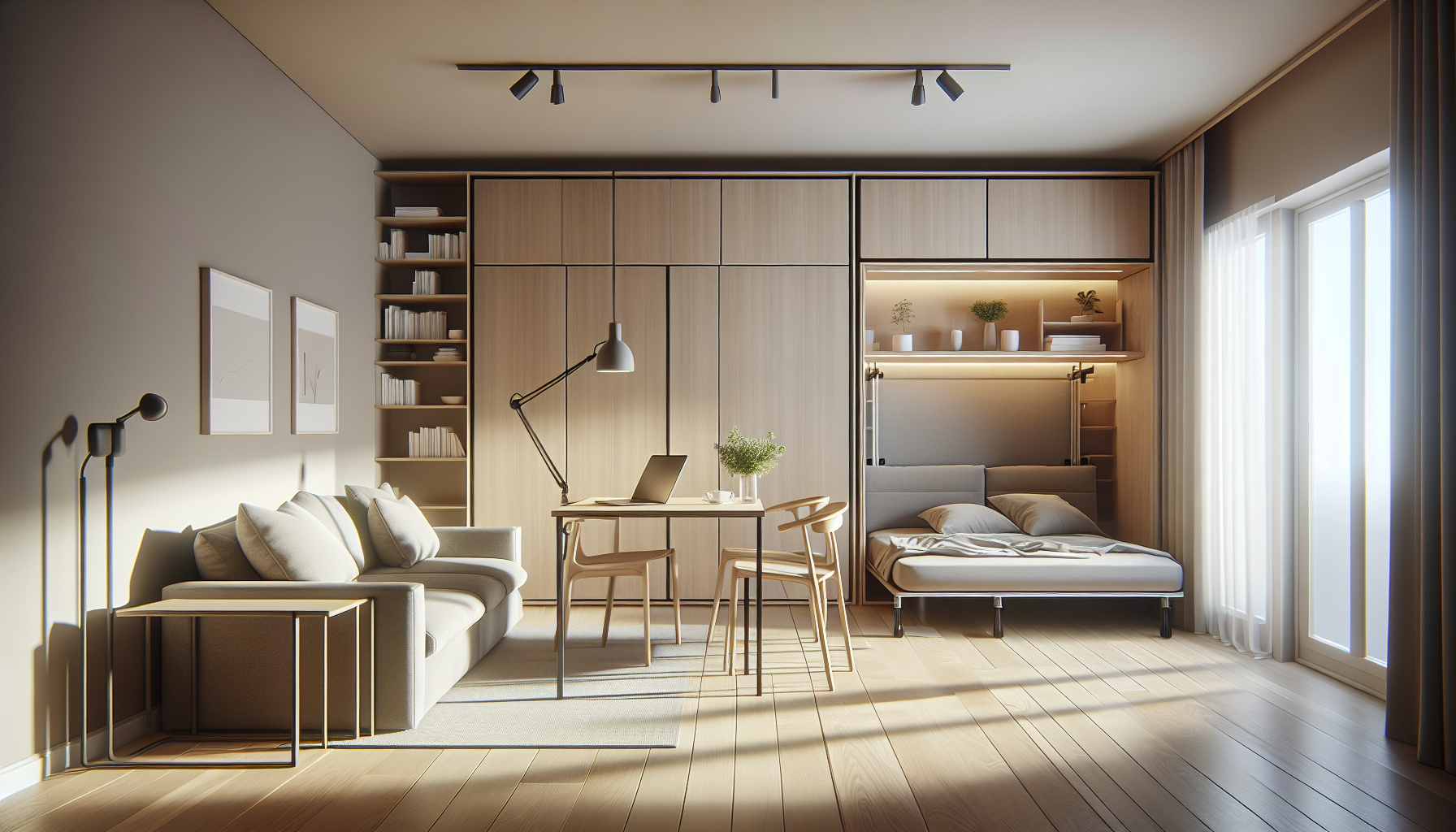
The increasing demand for efficient living solutions has brought the concept of versatile furniture to the forefront of interior design and urban planning discussions. These designs are not merely about aesthetics but represent a functional response to spatial constraints, offering dynamic environments that can adapt to varying needs throughout the day or across different life stages. From residential apartments to small office configurations, the ability of furniture to transform or serve multiple purposes facilitates a more organized and expansive feel within a limited footprint.
Practical Guidance for Evaluating and Incorporating Versatile Furniture
Understanding the range and operational mechanisms of versatile furniture is key to appreciating its potential. This section outlines various categories, criteria for assessment, and considerations for integrating these pieces into living or working environments.
Categories of Versatile Furniture
Versatile furniture encompasses a broad spectrum of designs, each engineered to address specific space-saving challenges. Key categories include:
- Transformable Beds: These designs are perhaps among the most recognized forms of versatile furniture. Examples include Murphy beds (wall beds) that fold vertically into a cabinet or wall, often integrating shelving or a desk. Sofa beds convert from seating to a sleeping surface, while futons offer a simpler, foldable design. Some advanced systems combine a bed with an entire integrated wall unit, including storage and workspaces.
- Expandable and Convertible Tables: Dining tables are frequently designed to expand from a compact size suitable for daily use to a larger surface for entertaining. Coffee tables can sometimes elevate to dining height or feature hidden storage compartments. Nesting tables, where smaller tables fit underneath a larger one, offer flexible surface area as needed.
- Modular Storage Systems: These units consist of interchangeable components that can be reconfigured to suit different storage requirements or room layouts. Modular shelving, cubby systems, and stackable bins exemplify this category, allowing for customization and scalability.
- Multi-functional Seating: Ottomans with internal storage provide a footrest, extra seating, and a hidden compartment. Sectional sofas often feature reconfigurable components, sometimes including integrated chaises that can serve as temporary sleeping areas or storage benches.
- Convertible Desks and Workstations: Desks that fold flat against a wall, disappear into cabinets, or combine with shelving units are common in home offices or multi-purpose rooms. Some designs integrate power outlets and cable management solutions.
- Dynamic Room Dividers: While not strictly furniture in the traditional sense, screens, movable shelving units, or sliding panels can redefine spaces. They offer flexibility in creating temporary zones for privacy, work, or relaxation within a larger open-plan area.
Evaluation Criteria for Versatile Furniture Designs
When considering any versatile furniture piece, a systematic evaluation based on several key criteria can inform its suitability for a particular application:
- Functionality and Transformation Ease:
- Primary and Secondary Functions: Clearly identify all roles the furniture is designed to play.
- Mechanism and Operation: Assess the smoothness, ease, and safety of the transformation process. Hydraulic lifts, smooth-gliding tracks, and robust hinges are indicators of thoughtful design. Consider how often the piece will be transformed and if the mechanism is built for that frequency.
- Space Efficiency:
- Footprint: Compare the dimensions of the furniture in both its compact (closed) and extended (open) states. How much floor area does it truly save?
- Storage Capacity: For pieces with integrated storage, evaluate the volume and accessibility of compartments.
- Durability and Material Quality:
- Construction Materials: Examine the quality of wood, metal, upholstery, and plastic components. High-quality materials generally contribute to longevity and stability.
- Joinery and Fasteners: Robust construction techniques (e.g., solid wood joinery, strong metal brackets) are essential, especially for items undergoing frequent movement.
- Stability and Safety:
- In All Configurations: Ensure the furniture remains stable and secure whether in its compact or extended form. Wall-mounted items, like Murphy beds, require secure anchoring.
- Pinch Points and Safety Locks: Mechanisms should be designed to minimize the risk of pinching fingers or accidental closure. Safety locks are crucial for items like wall beds.
- Aesthetics and Integration:
- Design Harmony: How well does the piece blend with existing decor and the overall aesthetic of the space?
- Versatile Appearance: Some pieces are designed to look like a single-purpose item even when serving multiple functions, enhancing their integration.
- Ergonomics:
- Comfort and Accessibility: Evaluate comfort in all functional modes. For a sofa bed, consider both seating and sleeping comfort. For a desk, assess working height and legroom.
Choosing and Understanding Mechanisms
The choice of versatile furniture often hinges on the specific mechanism that enables its transformation. Understanding these can help in making informed decisions:
- Hydraulic and Spring Mechanisms: Commonly found in wall beds and lift-top coffee tables, these systems provide assisted lifting and lowering, making transformation easier and safer. They require proper calibration and maintenance.
- Folding and Hinged Mechanisms: Used in sofa beds, folding tables, and some desks. The quality of hinges and locking mechanisms dictates durability and stability.
- Sliding and Extending Mechanisms: Prevalent in expandable dining tables and some modular storage units. Smooth tracks and robust extension slides are critical for long-term function.
- Interlocking and Modular Connectors: For modular shelving or seating, these connectors allow for flexible arrangement and secure assembly.
Consideration of how frequently a piece will be transformed is crucial. A sofa bed used occasionally for guests may not need the same heavy-duty mechanism as a daily-use bed-to-desk unit.
Long-Term Considerations for Versatile Furniture
While versatile furniture offers compelling immediate benefits, a comprehensive understanding requires examining its long-term implications, including maintenance, potential risks, and evolving responsibilities.
Maintenance and Upkeep
The multi-functional nature of these items often means they incorporate more moving parts and varied materials compared to their single-purpose counterparts, necessitating specific care:
- Mechanism Care: Hinges, springs, hydraulic cylinders, and sliding tracks require periodic inspection and lubrication as per manufacturer guidelines to ensure smooth operation and prevent wear. Dust and debris can impede movement and accelerate degradation.
- Material-Specific Cleaning: Different materials (wood, metal, upholstery, laminates) demand distinct cleaning approaches. Regular cleaning prevents accumulation of dirt and preserves the material's integrity and appearance.
- Fastener Integrity: Screws, bolts, and other fasteners can loosen over time due to repeated movement or environmental factors. Regular checks and tightening can prevent structural instability and potential damage.
- Upholstery and Fabric Durability: For items like sofa beds, the upholstery experiences stress from both sitting and sleeping. High-quality, durable fabrics that resist wear and tear are beneficial. Regular vacuuming and spot cleaning are essential.
Responsibilities and Risks
Ownership of versatile furniture comes with certain responsibilities and an awareness of potential risks:
- Proper Installation: Wall-mounted units, such as Murphy beds, require precise and secure installation to prevent accidents. Professional installation might be advisable for complex systems.
- Safe Operation: Users must be aware of the correct procedures for transformation to prevent injury, especially pinch points or unexpected closures. Children and pets should be kept clear during transformation.
- Weight Limits: Adhering to manufacturer-specified weight limits is crucial for safety and to prevent structural failure, particularly for beds and seating.
- Material Degradation: Over extended periods, materials may show signs of wear, such as fading upholstery, scratched surfaces, or weakened joints, especially in high-traffic or frequently transformed pieces.
Limitations and Recurring Considerations
Despite their advantages, versatile furniture designs do present certain limitations:
- Comfort Compromises: A sofa bed, for instance, may not offer the same level of comfort as a dedicated mattress or a high-end sofa. The balance between functionality and specialized comfort is often a design trade-off.
- Complexity of Assembly/Disassembly: Some versatile pieces can be more complex to assemble or disassemble, which can be a consideration during relocation or redecoration.
- Initial Investment: Due to complex engineering and quality materials required for durability and safety, versatile furniture may have a higher initial cost compared to simpler, single-purpose items. However, this is an investment in functionality and space-saving, not a promotional statement about cost-effectiveness.
- Adaptability Over Time: While designed for adaptability, it's important to consider if a chosen piece can genuinely meet evolving needs over many years. A highly specialized transforming unit might be less flexible than a modular system that can be reconfigured or expanded.
- Aesthetic Longevity: While aesthetics are subjective, selecting designs that are timeless rather than trend-driven can contribute to long-term satisfaction and integration with future decor changes.
Understanding these long-term aspects contributes to a more realistic expectation of ownership and helps in making informed decisions that align with sustainable living practices and personal requirements for dynamic spaces.
Comparative Overview of Versatile Furniture Types
The following table provides a general comparison of various versatile furniture types based on their functional characteristics and space optimization methods. The data presented is illustrative and conceptual, highlighting general attributes rather than specific product specifications.
| Furniture Type | Primary Function | Secondary Function(s) | Space-Saving Mechanism | Transformation Complexity |
|---|---|---|---|---|
| Wall Bed (Murphy Bed) | Sleeping | Desk, Shelving, Cabinet | Vertical fold into wall unit | Medium to High (often assisted) |
| Sofa Bed | Seating | Sleeping | Pull-out or fold-down frame | Low to Medium |
| Expandable Dining Table | Dining | Console, Desk | Extension leaves, swivel top | Low to Medium |
| Storage Ottoman | Footrest, Seating | Storage, Coffee Table | Hinged lid, internal compartment | Low |
| Modular Shelving System | Storage, Display | Room Divider, Desk (integrated) | Reconfigurable units, stackable | Low (per unit) to Medium (system reconfig.) |
| Lift-Top Coffee Table | Coffee Table | Dining, Workspace, Storage | Spring-loaded lifting mechanism | Low |
| Folding Desk | Workspace | Storage (when folded), Wall Art | Hinged collapse against wall | Low |
This table illustrates the diverse approaches to space optimization, from simple hidden storage to complex mechanical transformations. The choice among these types often depends on the specific spatial challenge, the frequency of transformation, and ergonomic needs. For more details on the general principles of modular design, one may refer to resources on [Modular furniture](https://en.wikipedia.org/wiki/Modular_furniture). An understanding of human-centered design principles, often referred to as [Ergonomics](https://en.wikipedia.org/wiki/Ergonomics), is also beneficial when evaluating comfort and usability.
Frequently Asked Questions About Versatile Furniture
Q1: What exactly defines versatile furniture?
A1: Versatile furniture, also known as multi-functional or convertible furniture, refers to pieces designed to serve more than one purpose or to transform their configuration to adapt to different needs. Its primary aim is to optimize space utilization, particularly in smaller living or working environments, by enabling a single item to fulfill roles typically requiring multiple pieces of furniture.
Q2: Is versatile furniture generally more durable than single-purpose furniture?
A2: Durability is primarily determined by the quality of materials, construction, and the engineering of its transformation mechanisms, rather than simply its versatile nature. High-quality versatile furniture can be highly durable, but lower-quality items with complex moving parts may experience wear more quickly than robust single-purpose alternatives. Regular maintenance and adherence to usage guidelines are crucial for longevity.
Q3: How does one determine the right versatile furniture for a small room?
A3: Determining the right piece involves assessing the specific needs of the room and its occupants. Consider the room's primary function(s), the frequency with which different functions will be needed, available floor and wall space, and desired aesthetic. Measure carefully, evaluate the ease and safety of transformation, and prioritize designs that address the most pressing spatial challenges while integrating seamlessly with the existing environment.
Q4: Are there specific safety considerations for convertible furniture?
A4: Yes, safety is a significant consideration. Users should be aware of potential pinch points during transformation, ensure all locking mechanisms are engaged, and adhere to manufacturer-specified weight limits. Wall-mounted units must be securely anchored to prevent tipping. It is also important to keep children and pets clear of moving parts during operation.
Q5: Can versatile furniture effectively reduce clutter?
A5: Versatile furniture can significantly contribute to clutter reduction, especially pieces with integrated storage solutions (e.g., storage ottomans, beds with drawers, modular shelving). By providing designated, often hidden, spaces for items, it helps maintain a tidy appearance and reduces the need for additional standalone storage units, thereby freeing up floor space.
Disclaimer
This content is provided for informational and educational purposes only. It is intended to offer general knowledge and understanding of versatile furniture designs and does not constitute professional advice regarding specific furniture selection, installation, or safety. Readers are encouraged to consult with qualified interior designers, furniture specialists, or manufacturers for personalized recommendations and detailed product information.
Sources
1. Friedman, B. (2012). *Designing for Small Spaces: Creative Storage Solutions and Multipurpose Furniture*. Gibbs Smith. (This is a general guide on small spaces and furniture solutions.)
2. Panero, J., & Zelnik, M. (1979). *Human Dimension and Interior Space: A Source Book of Design Reference Standards*. Whitney Library of Design. (A classic text providing ergonomic data crucial for furniture design.)
3. United Nations Human Settlements Programme (UN-Habitat). (2020). *World Cities Report 2020: The Value of Sustainable Urbanization*. UN-Habitat. (Provides context on urbanization and the increasing demand for efficient living spaces.)
4. Kwang-Youn, L. (2013). *Modular Furniture Design for Small Spaces: A Study on Functionality and Flexibility*. International Journal of Human and Computer Studies, 2(1), 1-8. (Academic paper discussing principles of modularity and functionality in furniture.)
5. Pressman, A. (2019). *Integrated Design: A Guide to the Process of Integrating Building Systems for Better Outcomes*. Wiley. (Discusses integrated solutions in broader design contexts, relevant to multi-functional components.)
Optimizing space with versatile furniture involves understanding how multi-functional designs address the challenges of compact living and working environments. Key aspects include evaluating various furniture types like transformable beds, expandable tables, and modular storage systems based on functionality, space efficiency, durability, safety, and aesthetics. Long-term considerations encompass routine maintenance of complex mechanisms, awareness of potential operational risks, and understanding the inherent limitations of convertible pieces, such as potential compromises in specialized comfort. This educational guide emphasizes the importance of informed selection and responsible use to harness the benefits of versatile furniture for creating adaptable and efficient spaces.